The Importance of Getting the Right Fit When Using CPAP Machines

cpap machines

Understanding the role of CPAP machines in sleep apnoea treatment

Continuous Positive Airway Pressure (CPAP) machines have fundamentally transformed the treatment of sleep apnoea. Unlike traditional approaches that often merely address symptoms, CPAP therapy targets the root cause by keeping the airway open during sleep. By delivering a steady stream of air through a mask, these machines significantly reduce the frequency of apnoeic events, allowing for a restorative night’s sleep.

The role of CPAP machines in managing sleep apnoea is not just about immediate relief; it’s about long-term health benefits. Patients with untreated sleep apnoea face an increased risk of serious conditions such as hypertension, cardiovascular disease, and diabetes. Therefore, using a CPAP machine regularly can mitigate these risks, improving one’s overall health and quality of life. Additionally, the psychological aspects of sleep apnoea cannot be overlooked; many individuals experience anxiety and depression due to the chronic fatigue and health concerns associated with the disorder. By improving sleep quality, CPAP therapy can also contribute to better mental health outcomes, fostering a more positive outlook on life.

The science behind CPAP machines

The science of CPAP technology is fairly straightforward. These machines generate air pressure that is higher than the surrounding air, which helps to keep the throat passages open. This mechanism is especially crucial during sleep, when the body’s muscle tone decreases, leading to relaxation of the throat muscles that can obstruct the airway. The design of CPAP machines has evolved significantly over the years, with modern devices featuring advanced algorithms that can adjust air pressure based on the user’s needs throughout the night. This adaptability ensures optimal comfort and effectiveness, making it easier for patients to adhere to their treatment.

Pioneering research in sleep medicine has shown that consistent use of CPAP can lead to significant improvements in sleep quality. The restoration of normal sleep patterns not only alleviates daytime fatigue, but it can also enhance cognitive function and emotional well-being. Studies have indicated that patients using CPAP machines report better memory retention and improved problem-solving skills, which are essential for daily tasks and responsibilities. Furthermore, the positive impact on mood can lead to stronger relationships and increased productivity, creating a ripple effect that benefits both the individual and their social circles.

How CPAP machines alleviate sleep apnoea symptoms

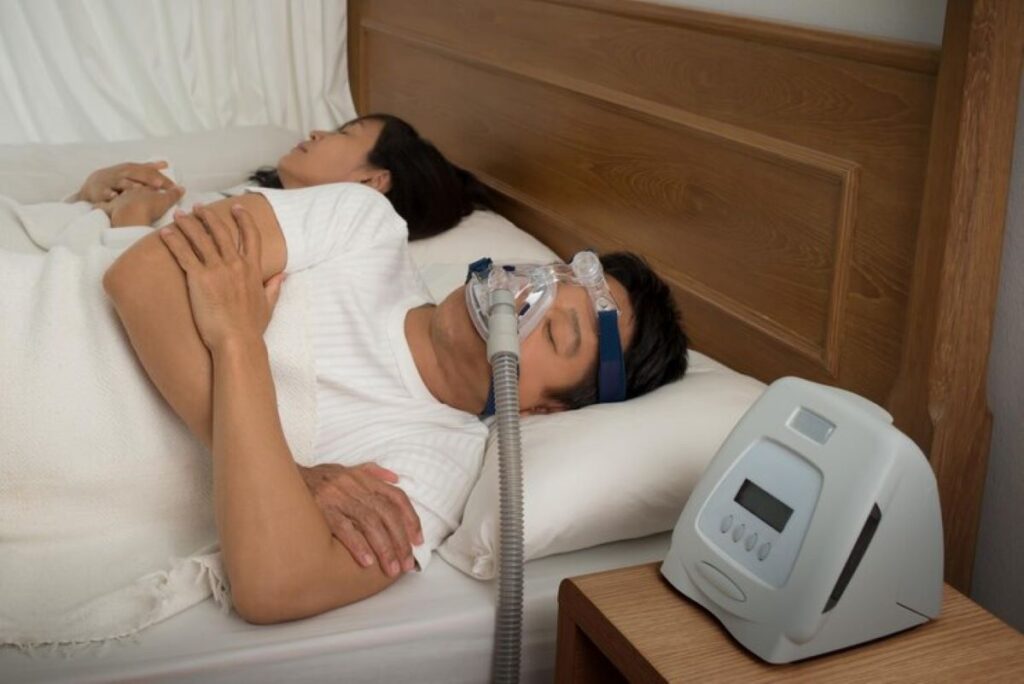
The immediate effects of using a CPAP machine can be quite remarkable. Many users report a dramatic reduction in snoring, which can improve the sleep quality of partners who may also suffer due to the disturbances. Furthermore, the benefits extend to the user: individuals often experience less daytime drowsiness, increased energy levels, and heightened concentration. These improvements can significantly enhance one’s ability to engage in daily activities, from work to leisure pursuits, ultimately enriching their quality of life.

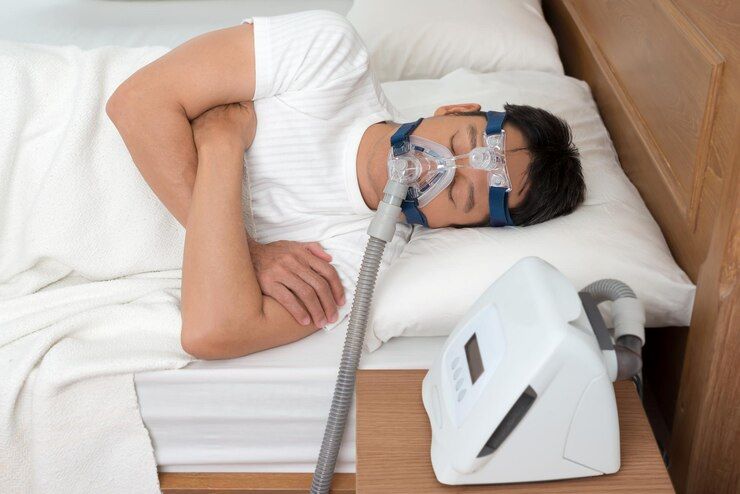
A well-fitted CPAP mask is vital in sustaining these benefits. An improperly sealed mask may lead to air leaks, reducing the machine’s effectiveness and ultimately hindering the positive impact on sleep quality. To address this, many manufacturers now offer a range of mask styles and sizes, allowing users to find the perfect fit for their unique facial structure. Moreover, ongoing support from healthcare providers can help patients troubleshoot any issues they may encounter, ensuring they remain committed to their treatment plan and continue to reap the benefits of CPAP therapy.
cpap machines

The significance of a well-fitted CPAP mask

Finding the right CPAP mask is arguably one of the most critical steps a patient can take. The effectiveness of CPAP therapy hinges not only on the machine itself but also on the compatibility and fit of the mask. An ill-fitting mask can prevent the airflow needed to keep the airway open, negating the potential benefits of the therapy.

The correlation between mask fit and treatment efficacy

Research shows a clear correlation between mask fit and the effectiveness of CPAP treatment. Patients with well-fitted masks are more likely to adhere to their therapy, experiencing both increased comfort and better therapeutic outcomes. In contrast, those with poorly fitted masks may struggle with discomfort, leading to higher rates of non-compliance.

It is essential for users to regularly assess their mask fit, as factors such as weight fluctuations or changes in facial structure can affect how well the mask seals against the skin. Routine evaluations can ensure sustained efficacy and comfort. Additionally, many manufacturers now offer a variety of mask styles—ranging from nasal pillows to full-face masks—allowing patients to choose one that best suits their sleeping habits and facial contours. This variety not only enhances comfort but also increases the likelihood of consistent use, which is paramount for effective treatment.

Potential issues with ill-fitting CPAP masks

An ill-fitting CPAP mask can lead to a host of problems, including skin irritation, pressure sores, and persistent air leaks. These issues not only compromise the effectiveness of the machine but can also deter users from continuing their treatment altogether.

Furthermore, constant readjustment of an ill-fitting mask during the night can disrupt sleep, resulting in less restorative and fragmented sleep. This can lead to a cycle of fatigue and frustration that may have serious implications on one’s quality of life. In some cases, patients may experience heightened anxiety or stress due to the discomfort, which can further exacerbate sleep issues. To mitigate these problems, it is advisable for users to consult with their healthcare provider or a sleep specialist, who can offer tailored advice on mask selection and fitting techniques. Regular follow-ups can also help in addressing any emerging concerns, ensuring that the patient remains engaged and motivated in their treatment journey.

Steps to ensure your CPAP mask fits correctly

The journey to obtaining the right CPAP mask begins with understanding the various types and sizes available. The primary types of masks include nasal masks, full-face masks, and nasal pillows, each serving different preferences and needs. It is crucial for users to try different options to identify which type suits them best.

Understanding different mask types and sizes

Choosing the right type of mask can make all the difference. Nasal masks cover the nose and are suitable for many users, while full-face masks offer an option for those who breathe through their mouths. Nasal pillows provide a less intrusive option, delivering air through two small prongs inserted into the nostrils.

Beyond type, selecting the correct size is equally important. Most mask manufacturers provide sizing guides to help users find their perfect fit. Trying on various sizes is often recommended, as this tactile experience can lead to better decision-making and comfort.

Tips for adjusting your CPAP mask for a better fit

After selecting a mask, adjustments may still be necessary to achieve optimal comfort. Users can follow specific guidelines, such as ensuring the headgear is not too loose or too tight, as both extremes can lead to leaks or pressure sores.

Moreover, regular maintenance of the mask is essential. Cleaning the mask and its components according to the manufacturer’s recommendations can prolong its lifespan and enhance comfort, thus further ensuring effective therapy.
cpap machines

Maintaining your CPAP machine for optimal performance

Proper maintenance of the CPAP machine itself is equally crucial for ensuring effective therapy. Regular cleaning and upkeep not only extend the lifespan of the device but also enhance its functionality, leading to better sleep quality.

Regular cleaning and maintenance of your CPAP machine

CPAP machines require consistent cleaning to maintain hygiene and performance. Users should regularly clean the water chamber, hoses, and masks as recommended by the manufacturer. This process minimizes the risk of respiratory infections and ensures that the air delivered remains clean.

In addition to cleaning, users need to keep an eye on detachable components for signs of wear and tear. Addressing minor issues promptly can prevent more significant problems down the line. Check out more about How to Choose the Right Pressure Settings on Your CPAP Machine

When to consider replacing your CPAP mask

Even with regular maintenance, CPAP masks do have a finite lifespan. Users should consider replacing their mask every few months or sooner if they notice any issues such as discomfort, frequent leaks, or visible wear. Staying proactive about mask replacement is essential for sustained therapy effectiveness.

Consulting medical professionals about replacement schedules can further facilitate successful CPAP usage, ensuring users always have the right equipment for effective sleep management.

The role of healthcare professionals in CPAP treatment

Healthcare professionals play a pivotal role in the successful implementation of CPAP therapy. Their expertise can significantly influence a patient’s experience, from initial diagnosis to ongoing management.

How sleep specialists can assist in mask fitting

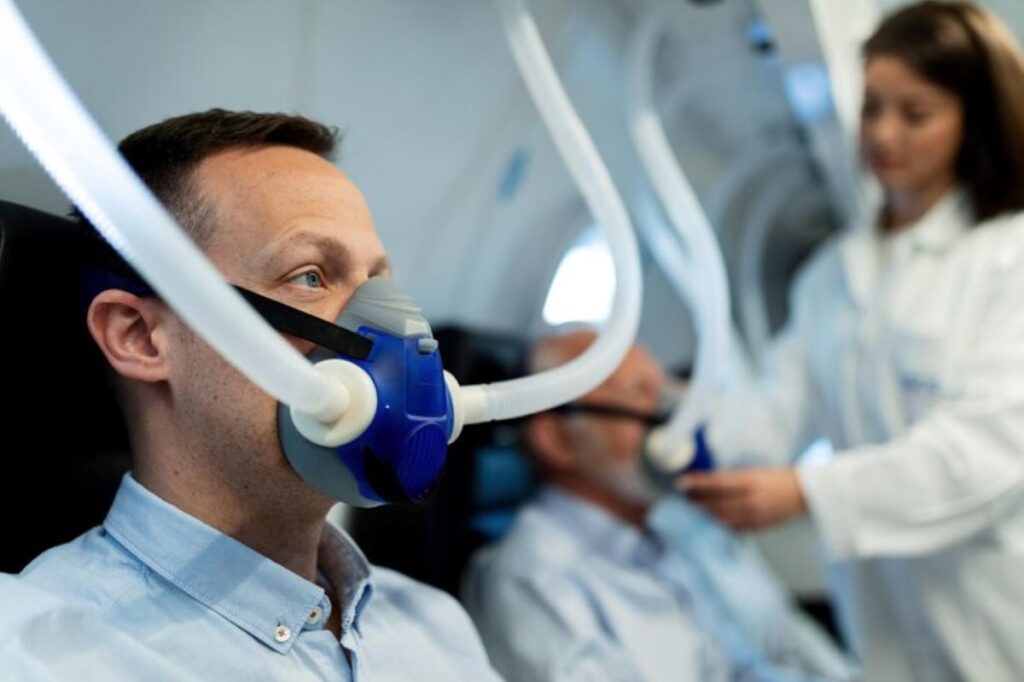
Sleep specialists are trained to provide comprehensive assessments of patients’ CPAP needs, including mask fittings. They can recommend the best mask type and size, considering individual anatomy and comfort preferences. Their insight can ease the adjustment period for new users, making therapy more enjoyable and effective.

Regular consultations with a sleep specialist can also provide ongoing support for users. Adjustments in therapy can be addressed swiftly, ensuring comprehensive care throughout the treatment journey.

The importance of regular check-ups for CPAP users

Regular check-ups are crucial for CPAP users, as they allow healthcare professionals to monitor progress and identify any potential issues early. These visits can include assessments of mask fit, adherence to therapy, and overall health evaluations.

By staying connected with healthcare providers, users can optimise their CPAP experience, leading to better health outcomes and a more enjoyable quality of life. Consistent engagement with health professionals can truly make a significant difference in the journey of managing sleep apnoea.
How to Choose the Right Pressure Settings on Your CPAP Machine

buy cpap machines

Choosing the right pressure settings on your Continuous Positive Airway Pressure (CPAP) machine can significantly impact the quality of your sleep and overall health. It’s essential to comprehend the role of pressure in CPAP therapy and how to adjust it effectively. This article will delve into the various factors that influence these settings and offer practical advice on troubleshooting and maintenance.

Understanding the role of pressure in CPAP therapy

CPAP therapy is predominantly used to treat obstructive sleep apnea (OSA), a condition where your airway becomes blocked during sleep, leading to disrupted breathing. The CPAP machine delivers a steady stream of air through a mask, which helps keep your airway open. However, the effectiveness of this therapy largely hinges on the proper pressure settings.

For those seeking a reliable solution, it’s important to buy CPAP machines from trusted sources, ensuring that the device is suited to your specific needs and adjusted to the correct settings for optimal therapy.

The science behind pressure settings

In essence, the pressure settings on your CPAP machine determine how forcefully the air is delivered. Higher pressure settings can be necessary for individuals with a more severe form of sleep apnoea, whereas lower settings may suffice for those with mild cases. The correct pressure setting ensures that the air is sufficient to prevent the airway from collapsing while not causing discomfort or excess air leakage. Additionally, many modern CPAP machines come equipped with auto-adjusting features that can dynamically alter the pressure throughout the night, responding to changes in your breathing patterns. This adaptability can enhance comfort and improve overall treatment efficacy, making it an appealing option for many users.

Why correct pressure is crucial for effective therapy

Using an inappropriate pressure setting can lead to numerous issues, including inadequate treatment or discomfort. If the pressure is set too low, obstructive sleep apnoea symptoms—such as snoring, gasping, or waking up frequently—may persist. Conversely, if the pressure is set too high, it can cause discomfort, dry mouth, nasal congestion, or even difficulty exhaling. It is crucial to find a balance that fosters both comfort and effectiveness. Moreover, the importance of regular follow-ups with a healthcare provider cannot be overstated. These consultations allow for ongoing assessment and adjustment of the pressure settings based on your experiences and any changes in your condition. This collaborative approach not only optimises therapy but also empowers patients to take an active role in their health management, leading to better adherence and improved quality of life.

Getting to know your CPAP machine

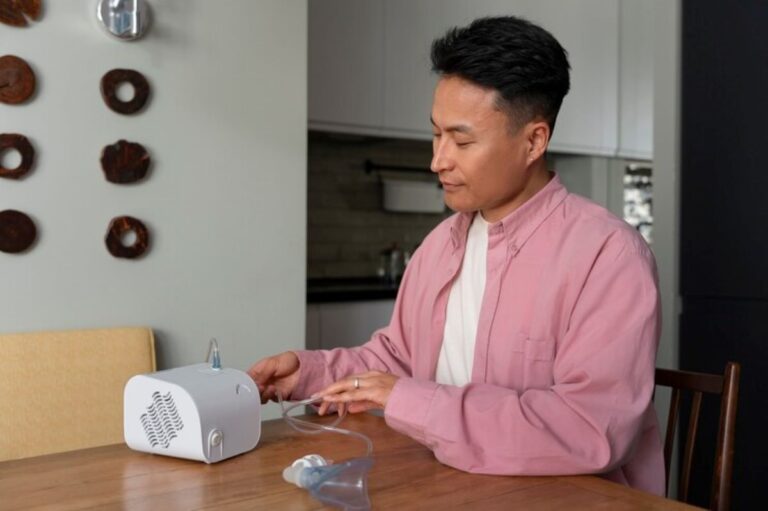
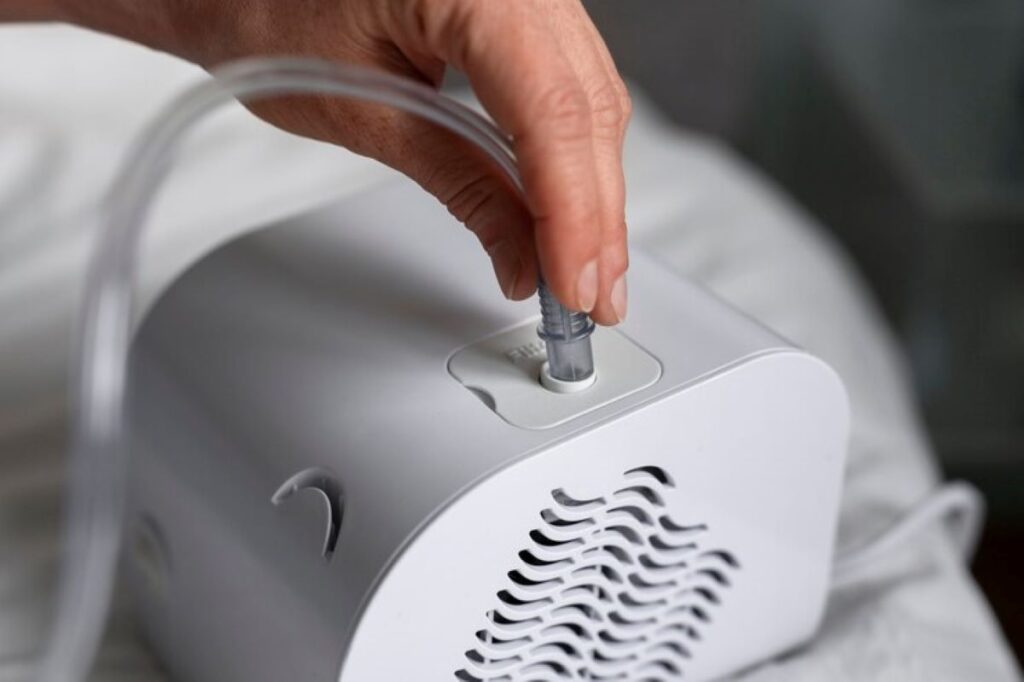
Before delving into setting the pressure on your CPAP machine, it’s vital to familiarise yourself with the device itself. Each model may have different features, options, and methods of adjustment, which can impact how you manage your therapy. Understanding the basic components, such as the mask, tubing, and humidifier, can also enhance your overall experience. A well-fitted mask, for instance, is crucial for effective therapy, as it ensures that the air pressure is delivered correctly without leaks, which can disrupt your sleep and reduce the benefits of treatment.

Exploring different types of CPAP machines

There are primarily three types of CPAP machines: standard CPAP, auto-adjusting CPAP, and bi-level CPAP machines. Standard CPAP machines provide a continuous stream of air at a fixed pressure, while auto-adjusting machines adapt the air pressure throughout the night based on your needs. Bi-level CPAP machines offer different pressures for inhalation and exhalation, which can enhance comfort for certain users. Additionally, some modern CPAP devices come equipped with advanced features such as integrated humidifiers, which help to prevent dryness and irritation in the airways, and data tracking capabilities that allow users to monitor their therapy progress and share insights with their healthcare providers.

How to read and adjust pressure settings

To adjust the pressure settings, you must first access the machine’s menu, usually through a digital screen. Refer to the user manual to understand how to navigate the settings properly. It’s essential to follow the prescribed pressure from your healthcare provider, as making changes without guidance can adversely affect your therapy. Regularly monitoring the settings and how you feel can lead to more informed adjustments. Furthermore, many CPAP machines now offer smartphone connectivity, enabling users to track their usage and pressure data on their mobile devices. This feature not only simplifies the process of keeping a record but also empowers users to take a more active role in their treatment, fostering a deeper understanding of their sleep patterns and overall health. Engaging with this data can be particularly beneficial during follow-up appointments, allowing for more tailored adjustments to your therapy plan.

buy cpap machines

Factors influencing the right pressure settings

Understanding that several factors influence the appropriate pressure settings is crucial. These can vary from individual to individual and can change over time, necessitating regular assessment.

The impact of your sleep position

Your sleep position can play a significant role in how effectively the CPAP machine prevents airway collapse. For instance, those who sleep on their backs may require a higher pressure than those who sleep on their sides. It’s beneficial to note how your sleep position affects your therapy and adjust settings accordingly. Additionally, some individuals may find that they shift positions throughout the night, leading to fluctuations in airway stability. This variability can further complicate the pressure settings required for optimal therapy, making it essential to monitor your sleep habits and discuss them with your healthcare provider. Keeping a sleep diary may help in identifying patterns that could influence the effectiveness of your CPAP therapy.

The role of your breathing pattern

Some users have irregular breathing patterns that may necessitate specific adjustments in pressure settings. For instance, if you find that you’re frequently experiencing apnoeas or hypopneas (partial obstructions), you may need to increase the pressure during those periods. Your CPAP machine’s data tracking can provide insights into your breathing patterns, guiding necessary modifications to your settings. Moreover, factors such as stress or illness can lead to changes in your breathing patterns, which might require a temporary re-evaluation of your pressure settings. It is also worth noting that certain lifestyle choices, such as smoking or alcohol consumption, can adversely affect your breathing, thereby impacting the effectiveness of your CPAP therapy. Regular discussions with your healthcare provider can help you stay on top of these changes. You may like to get about respiratory system and CPAP machine let’s visit https://pmc.ncbi.nlm.nih.gov/articles/PMC7139021/

Considering your comfort level

Achieving a balance between effective therapy and personal comfort is paramount. If you experience discomfort, such as pain or excessive pressure, speaking to your healthcare provider about possible adjustments is advisable. Comfort should never be sacrificed in the pursuit of correct therapy pressure. Additionally, the type of CPAP mask you use can significantly influence your comfort levels; for example, a poorly fitting mask can lead to air leaks and skin irritation, detracting from the overall effectiveness of the therapy. Exploring different mask styles—such as nasal pillows, full-face masks, or hybrid options—can help you find the most suitable choice for your needs. Furthermore, using a heated humidifier can enhance comfort by alleviating dryness in the airways, making it easier to adhere to your CPAP regimen over the long term.

Troubleshooting common pressure-related issues

Even after you’ve established your settings, you might encounter challenges that require troubleshooting. Knowing how to address these issues can enhance your therapy experience considerably.

Dealing with pressure that’s too high

If you find that the pressure feels intolerable, it might be causing discomfort or distress during the night. Symptoms may include difficulty exhaling, nasal discomfort, or feeling breathless. In such cases, it’s crucial to consult with your healthcare provider to consider lowering the pressure or exploring alternative settings. Additionally, it may be beneficial to assess the fit of your mask, as an improper fit can exacerbate feelings of discomfort. A mask that is too tight can create unnecessary pressure on your face, while a loose mask may lead to air leaks, both of which can contribute to an unpleasant experience during your therapy.

Addressing pressure that’s too low

On the opposite end, if you still experience symptoms of sleep apnoea despite using your CPAP, the pressure may be set too low. You may notice persistent snoring or waking up gasping. It’s vital to communicate these changes to your healthcare provider. Adjustments to your pressure settings might be necessary to enhance your therapy’s effectiveness. Furthermore, consider keeping a sleep diary to track your symptoms and any patterns you observe. This record can provide valuable insights for your healthcare provider, helping them to make informed decisions regarding your treatment plan. Additionally, lifestyle factors such as weight management, alcohol consumption, and sleeping position can also influence the effectiveness of your CPAP therapy and should be discussed during your consultations. Click here to get more about the importance of getting the right fit when using CPAP machines.

buy cpap machines

Regular maintenance and check-ups for optimal pressure

To ensure that your CPAP therapy remains effective, regular maintenance and check-ups of your equipment are indispensable. Proper upkeep can prevent many issues related to pressure settings.

How often should you check your pressure settings?

A good practice is to review your pressure settings at least once every few months or after any significant changes in your health or sleep patterns. This routine check can catch any necessary adjustments before they impact your therapy seriously. Additionally, many CPAP machines come with tracking features that allow you to monitor your data remotely, providing valuable insights about your sleep and therapy effectiveness.

The importance of regular machine maintenance

Alongside checking the pressure settings, maintaining the machine itself is crucial. This includes cleaning the mask, hose, and water chamber regularly to prevent the buildup of bacteria and ensure optimal performance. Regular maintenance not only prolongs the life of your CPAP machine but also improves your comfort and efficacy of therapy. Discuss with your provider about a maintenance schedule that suits your needs.

In conclusion, understanding your CPAP machine and the intricacies of pressure settings can vastly improve your sleep quality and overall health. It’s worth investing the time to gain knowledge and periodically reassess your settings for the best outcomes in your CPAP therapy journey.